
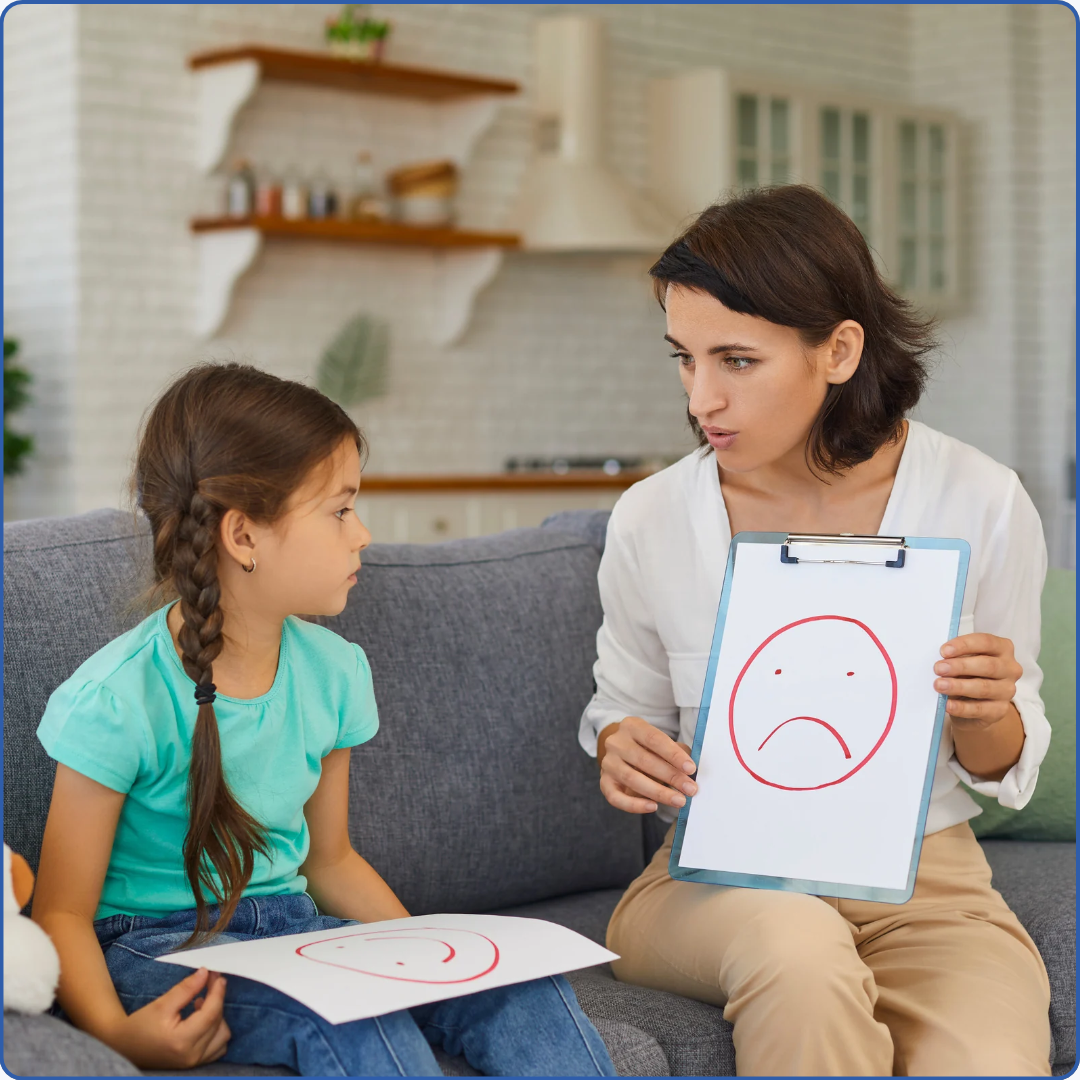
Parents are rightly concerned about their children’s school performance and academic achievement. However, the focus on cognitive development is limiting if we really want our children to thrive. Experts agree that emotional intelligence includes social and emotional learning (SEL) skills that help children succeed in school and in life. The research is undeniable. SEL improves academic achievement, peer and family relationships, emotional regulation and long-term well-being.
Children need to feel safe and connected to thrive. Today, children face a unique mix of safety, social and family concerns, academic pressures and technological advances that contribute to stress and mental health challenges. Because children with ADHD and/or LD experience additional stress due to lagging skills, unrealistic expectations, rejection sensitivity or low self-esteem, they have a harder time regulating their nervous system to focus and think clearly.
Social-Emotional Skill Building
The building blocks of emotional intelligence begin with self-awareness – naming feelings – and then managing big emotions such as anger, fear or anxiety. Children learn these skills through relationships with parents and other adults who model how to talk about feelings and manage their own emotional reactivity and behavioral outbursts.
Regulation is about calming the nervous system when it is activated. Co-Regulation is a dynamic process where an adult’s calm state and guidance helps a child soothe and regulate his/her own emotions and physiological stress. Stress and reactivity are contagious. Likewise, calm parents help children stay calm and approachable. The best approach is for parents to be present and calm, then co-regulate to help their child cope with strong emotions and return to a calm state so they can listen and learn.
Younger children don’t have the capacity to self-regulate without adult support. Older children may develop the capacity to self-regulate with brain maturation, practice and parental encouragement. Children who are over aroused appear out of control, overly excited, aggressive or silly. Parents can teach their child tools to calm the nervous system and the physiological state of fight, flight or freeze. Likewise, children who are under aroused may appear bored, inattentive or disconnected. In this case, the parent can create an environment and activities that introduce novelty and creativity which can increase the child’s arousal level and motivation to pay attention and interact with others.

Fostering Social & Emotional Learning for Your Child
Emotional Intelligence develops when children feel understood, safe and connected to a healthy adult. Here are five relationship based parenting practices you can use to support social and emotional learning for your child.
1. Parent self-regulation
Parent regulation is necessary to help a child stay calm and connected. When parents are emotionally regulated, they can model, guide and help their child learn how to self soothe. In contrast, parents who are reactive may unintentionally create more stress for the child. Self-awareness allows parents to be more mindful and responsive to their child.
Ask yourself if your reaction is about your child’s behavior or is it from old wounds from childhood. For example, growing up did you feel ignored or misunderstood? Does your child’s defiant behavior make you feel unheard or dismissed?
2. Emotion coaching
Intense feelings like anger, sadness, fear, frustration or excitement can overwhelm a child’s nervous system which leads to dysregulation, especially when a child may not have the words or impulse control to manage big emotions. It’s helpful to separate feelings from behavior and validate how your child feels without judgment. Once children feel understood, they are open to connection and learning.
Parents can help by staying calm, helping their child name the feeling, validating the feelings and then coaching the child to use calming techniques to build essential emotional regulation skills.
3. Co-regulation
Once calm, parents can co-regulate to help their child manage overwhelming feelings, thoughts and physiological stress.
Children self-soothe when they hear a calm tone of voice, rhythmic breathing and soothing words. Parents can also help their child lower their arousal level by pausing and waiting for him to be ready to listen and talk.
4. Challenging behavior
Behavior is a form of communication, a signal that something is upsetting a child.When parents understand what the anger is communicating, they can respond in ways that actually help their child calm down and feel better.
Try to identify the underlying triggers or stressors. Is it sensory overload, social stress, rejection sensitivity, feeling helpless or abrupt transitions? For example, underneath anger, children often have other feelings —overwhelm, hurt or fear.
5. Coping skills
Helping your child identify and practice calming techniques takes collaboration and time. A few examples of coping strategies include: (a) sensory-motor activities; (b) movement; (c) mindfulness exercises; (d) relaxation activities; (e) cognitive techniques; and (f) social support.
Instead of controlling or correcting the child’s behavior, call a time-in so your child can go to a calm down space that includes a toolbox of self-soothing activities (e.g., listen to music, draw, read, take a bath, hug a pet).
Children learn SEL skills through relationships, which is why it’s critical for parents to attend to their own needs and actively use coping strategies to stay calm during difficult interactions. Implementing these relationship based parenting practices can build your child’s SEL skills. When parents demonstrate emotional intelligence, children learn important skills that promote resilience during school years and beyond.

About the Author
Judy Grossman, DrPH, OTR, is Acting Director of the Center for the Developing Child and Family and Founder of the Children with Special Needs Project at the Ackerman Institute for the Family. She is an educator, family therapist and occupational therapist with extensive experience helping families navigate their children’s emotional and developmental challenges. Previous academic appointments include NYU, Yale School of Medicine and SUNY Downstate Health Sciences University. Her research and clinical work focus on parenting, family resilience, and special education policy and programs in New York and Connecticut. Dr. Grossman serves on the Smart Kids Board, the Professional Advisory Committee and she previously led the organization’s Countdown to Kindergarten program.