The Power of Summer Reading
July 20, 2026


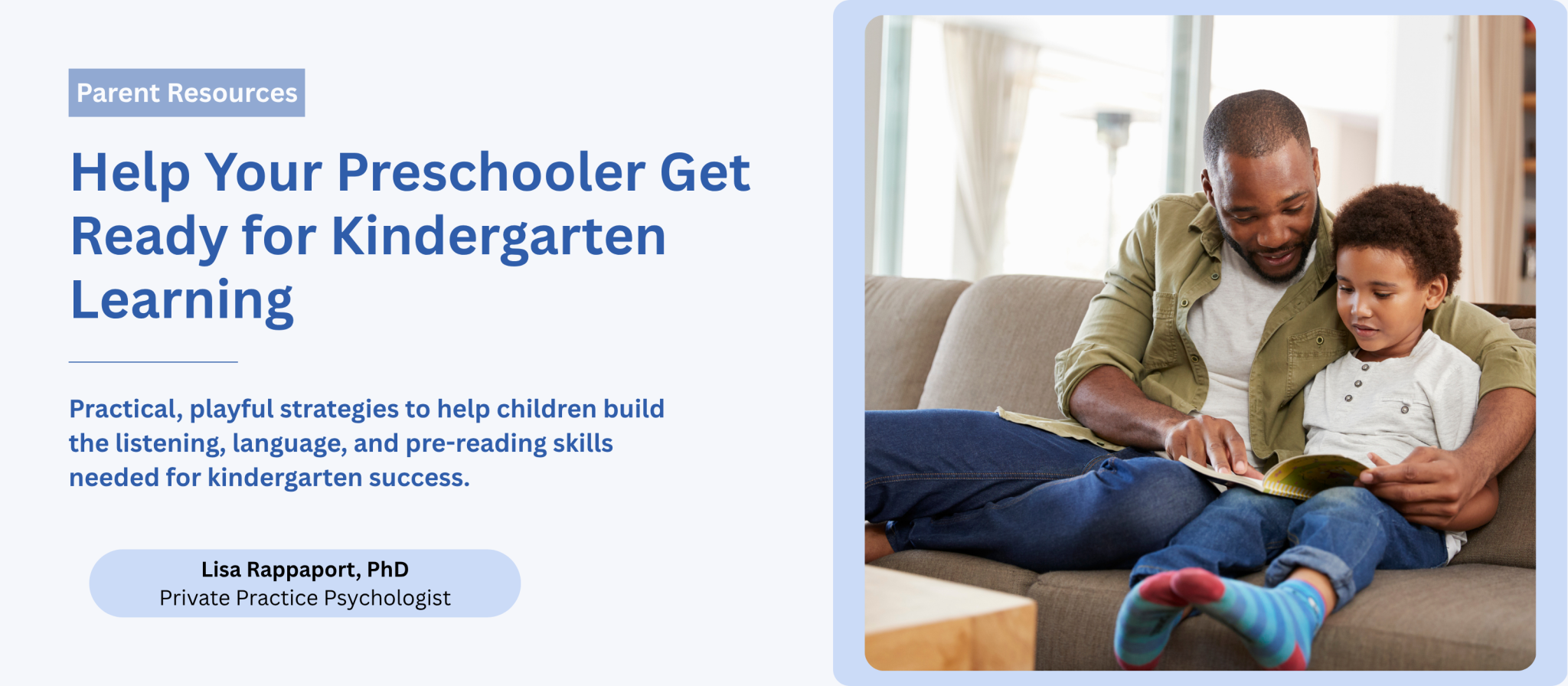
The summer before kindergarten is filled with both excitement and anticipation for children and families. As parents prepare for backpacks, classroom routines, and the first day of school, many wonder how they can help build the skills that support learning to read.
Many of the skills children need for kindergarten—and later reading success—develop long before formal reading instruction begins. Through simple games, conversation, and everyday interactions, parents can help strengthen the auditory skills that provide the foundation for successful reading.
Parents and caregivers can play a major role in helping a child acquire the auditory skills needed for kindergarten learning in the summer months. While most skills come naturally, they can also be fostered and reinforced through play.

Almost everything you do with your child, from bath time to drive time to mealtime, offers opportunities for word games. For example, asking your child whether “p” and “b” are the same sound and switching between same sounds (pig, pat, put) and different sounds (big, cat, ball) will help develop sound awareness.
Rhyming is also an important skill. Reading books that rhyme is fantastic. You can also ask your child, “What rhymes with…?” For example, “Does bat rhyme with cat?” or “Does book rhyme with sat?” (Ask one question at a time so your child does not become overwhelmed.)
Children love when adults make mistakes, and before long you’ll find yourselves rhyming everywhere—at the supermarket, the park, the playground, or anywhere the two of you have time to talk.
Once your child can rhyme, add other discrimination skills such as identifying beginning sounds. For example, “Let’s play ball. What sound does ball start with?” When your child can identify and isolate beginning sounds, work on ending sounds: “What sound does ball end with?” Remember that you are not asking for a letter; you are asking for a sound.
Once this is mastered, you can begin blending sounds. For example, you say “chi-ken” and your child blends it to say “chicken”; “bay-bee” (baby); or “b-ench” (bench).
Finally, work on sequencing. Every night before bed, go over what your child did that day in order. At first, you may need to repeat each event, but as your child becomes familiar with the routine, it often becomes a fun game to recall the day’s activities. For example:
“Today I woke up, brushed my teeth, ate breakfast, got dressed, went to the playground, had lunch, took a nap, went to the store, ate dinner, and brushed my teeth again.”
Anything that develops your child’s awareness of the sequence of events is helpful. Try singing songs about the days of the week and the months of the year. If your child watches a television show or listens to a story, ask them to tell you what happened first, next, and last.
One of the best ways to prepare children for kindergarten is to read together every day. Choose books your child enjoys and don’t worry about reading every word on the page. Pause to talk about the pictures, ask what your child thinks might happen next, or encourage them to retell the story in their own words.
These simple conversations build vocabulary, listening, and comprehension skills that support future reading success while helping children develop a lifelong love of reading.

These are just a few ideas. As you play with your preschooler, you’re bound to come up with your own variations, all of which help develop the auditory pre-reading skills that make learning to read a little easier.
Preparing your child for kindergarten doesn’t require hours of formal instruction. The conversations you have, the books you read together, and the games you play each day help build the listening, language, and sound awareness skills that support future reading success. By making learning playful and part of everyday life, you will help your child begin kindergarten ready to learn with confidence!
Lisa Rappaport, PhD is a licensed psychologist in private practice in Manhattan specializing in learning differences, dyslexia, ADHD, and anxiety disorders. She is also an Assistant Professor in the Department of Pediatrics at Albert Einstein College of Medicine and co-author of Parenting Dyslexia. Dr. Rappaport is a longtime supporter of Smart Kids with Learning Disabilities and serves as a member of the organization’s Professional Advisory Board.